


1. Overview: Miami Real Estate Market at a Crossroads
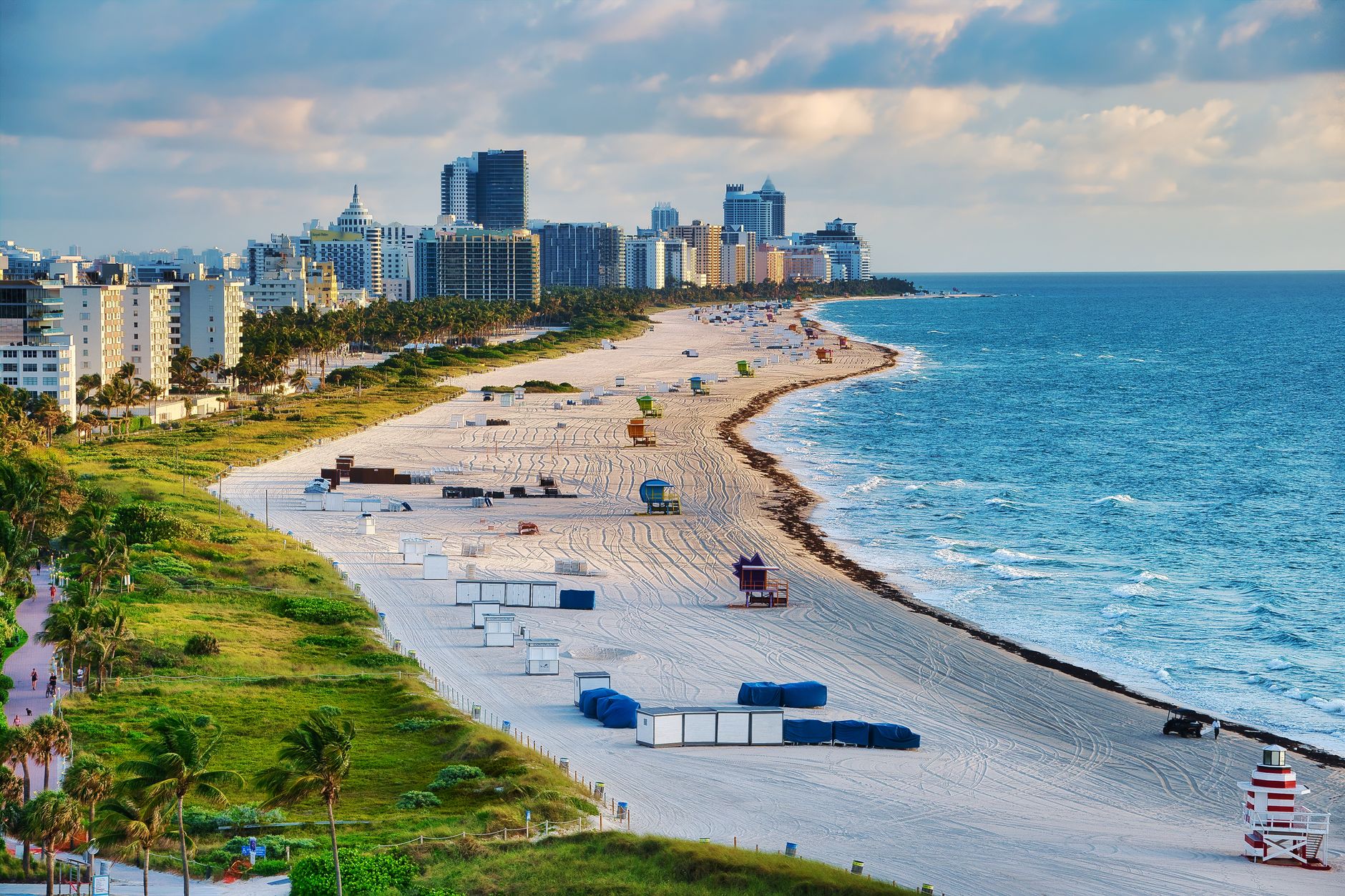
Miami real estate in the Beach luxury condo sector experienced record-high prices combined with a buyer‑friendly environment in Q1 2026. Despite stable sales volume, factors such as rising inventory, longer days on market, and cost pressures from insurance and building safety regulations are shaping the Miami real estate landscape.
🔍 Q1 2026 Highlights:
Luxury price per square foot surged to $1,375—a 14.9 % increase year-over-year (condoblackbook.com)
Median luxury condo price reached $2.2 million, up 6.7 % YoY (condoblackbook.com)
85 days on the market, stable YoY
Sales volume flat-positive, approximately 217 units—a modest 2.4 % YoY gain
Inventory rose about 15 % YoY to 2.3 months supply
Conclusion: High-end prices are climbing even as the market cools into a more balanced buyer-favored phase. According to Miami Realtors, this trend reflects broader shifts in the South Florida housing landscape. For current home value trends, Zillow’s Miami market data offers a useful reference point.
2. Submarket Breakdown
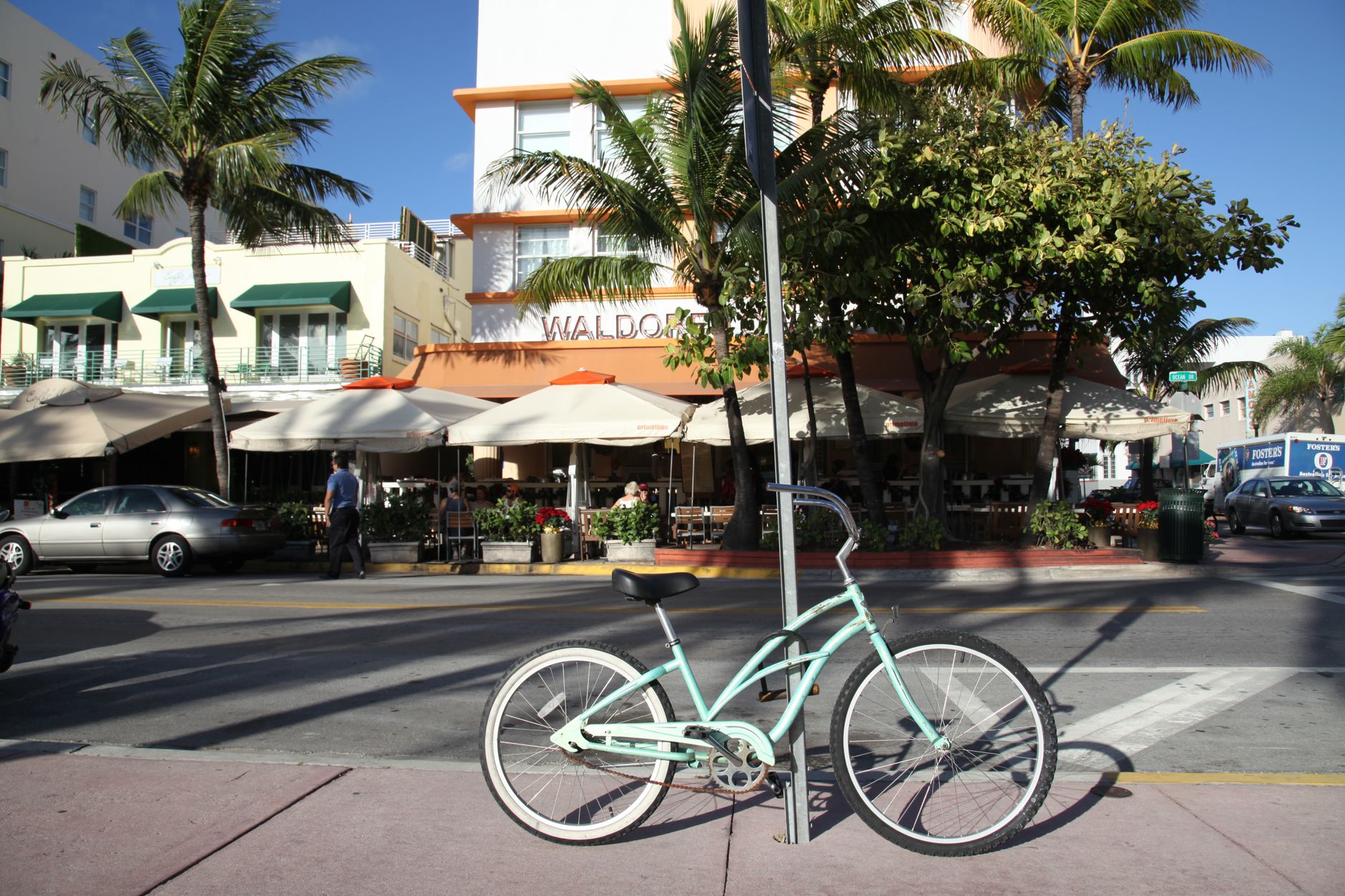
2.1 South Beach (SoBe)
- Sales grew 35 % YoY, the fastest among all Miami Beach submarkets
- Price per square foot dropped 5.1 % YoY to $1,325; median price down 15 % to $1.95 M
- 85 days on market, with SoBe notably low inventory (~21 months supply)
Interpretation: Vibrant market despite price dip—higher absorption in lower tiers offset by fewer super-lux sales.
2.2 Sunny Isles & Mid‑North Beach
- Sunny Isles luxury PPSF surged 35 % YoY to $1,279
- Fastest-selling segment (~48 days)
- New developments like 72 Park, Ocean Terrace, Ella Miami Beach, and The Perigon are reshaping Mid/North Beach
2.3 Fisher Island
- Luxury PPSF led at $2,004, with a median sale price of $5.5 M
- Remains the most expensive zip code in Florida—unchanged
2.4 Surfside & Bal Harbour
- Sales and pricing stable, with no major volatility
- Premium location buys (e.g., waterfront, branded residences) remain sought-after
3. Key Drivers Impacting Miami Real Estate
A. New Construction & Premium Branding
Sophisticated new condos with branded finishes are capturing outsized premiums. These drive up price-per-square-foot across the board.
B. Rising Inventory & Buyer Leverage
As new units complete, supply expands—leading to more negotiable deals and softened price momentum in mid-tier segments.
C. Building Safety & Rising Insurance
Following the Surfside collapse, Florida’s Condo Reform Act now mandates reserve funding and inspections for 30+ year buildings. These costs, plus soaring insurance/HOA rates, are pressuring older condos—especially non-luxury buildings. More details on local regulatory requirements can be found through Miami-Dade County’s official resources. Recent reporting from the Miami Herald has also covered the growing financial burden these regulations place on condo owners throughout the region.
D. Climate Risk & Structural Stress
Miami Beach is on the front lines of sea-level rise and structural risk. Subsidence studies show slow sinking in areas including Sunny Isles and Bal Harbour. Elevated flood risk and climate gentrification are already influencing pricing across submarkets.
4. Buyer’s & Investor’s Guide
💼 For Buyers
- Best value with upside: Mid/North Beach condos—new product, walkable locales, relative affordability
- Ultra-premium living: Fisher Island and brand-name luxury towers deliver privacy, top amenities
- Lifestyle-first investors: South Beach offers cultural vibrancy, although less luxury price growth
📈 For Investors
- Yield potential strongest in sub-$3M but new supply may slow
- Branded and design-led units support stronger long-term value
- Older condos face cost headwinds—insurance and assessments may impact resale
5. Risks & Market Headwinds
- Oversupply Macro-Pressure: Miami-Dade condo inventory is ~13.2 months—well above equilibrium
- Rising Carrying Costs: Insurance, HOA, and compliance-driven assessments impacting margins
- Migration Trends Cooling: Florida-wide population growth slows in 2026; as U.S. Census Bureau data confirms, housing prices have softened ~3% from the 2026 peak
- Climate & Structural Uncertainty: Long-term sea‑level rise, subsidence, and increased inspections are applying pressure to coastal condos
6. Strategic Recommendations
| Buyer Type | Submarket Focus | Product Type | Strategic Advantage |
|---|---|---|---|
| Lifestyle Buyer | SoBe or Sunny Isles | New/front‑line condo | Turnkey living, high-end amenities |
| Value Investor | Mid/North Beach | Boutique post‑completion | Appreciation opportunity, rental income |
| Ultra-luxury Investor | Fisher Island, Bal Harbour | Waterfront high-end tower | Scarcity, exclusivity, hedge against risk |
| Upside Seeker | Older condo in SoBe/Miami Beach | Re‑sale 30+ yrs old | Subject to assessments—but priced for negotiation |
7. Outlook for Miami Real Estate in 2026
- Price Growth: Luxury pricing may continue modestly (+4–7%) but mid-tier may lag
- Supply Surge: Multiple branded and boutique towers to deliver—absorption rates will be key
- Regulatory Cost Inflation: Expect additional burden from assessments and insurance into 2026
- Climate and Infrastructure: Continued public investment in sea-wall and flood mitigation may stabilize premium markets
8. Curated Resources & External Links
- Miami Beach Luxury Condo Report (Q1 2026): Deep dive into submarket data and price trends
- Miami-Dade Real Estate Update (May 2026): Cooling trend report with forecasts
- South Beach Forecast 2026: Annual luxury outlook
- Business Insider: Analysis of the broader Florida market’s slowdown and insurance struggles
Final Take
Miami Beach’s condo market in 2026 is an intriguing duality: record-breaking luxury prices in branded towers and Fisher Island, juxtaposed with buyer-favored conditions in mid-tier segments. Miami real estate continues to attract global attention as buyers and investors weigh submarket dynamics, product quality, regulatory pressures, and long-range climate vulnerabilities. While risks persist, well-located, well-branded assets with strong design and resilience remain the most compelling opportunities in the market.