

Welcome to the Big Leagues, Miami Style
If you’ve been searching for a First-Time Buyers & Sellers: Your Glamorous Guide to Making Moves in Miami in 2026, you’ve found it — and you’re already ahead of the game. Whether you’re a first-time buyer eyeing a sleek Brickell condo with skyline views that make your morning coffee feel like a magazine spread, or a seller ready to cash in on that Coral Gables bungalow you’ve been sitting on, 2026 is serving up a Miami real estate market that rewards the bold and the well-informed. This city doesn’t slow down for anyone, darling, and neither should your real estate strategy.
Miami’s median home price has climbed past the $620,000 mark heading into mid-2026, with certain neighborhoods — hello, Edgewater and Wynwood — seeing double-digit year-over-year appreciation. According to Miami Realtors, inventory is tighter than a velvet rope at a Design District gallery opening, and competition for well-priced properties remains fierce. But here’s the good news: whether you’re buying or selling, the right game plan (and the right agent) can make all the difference.
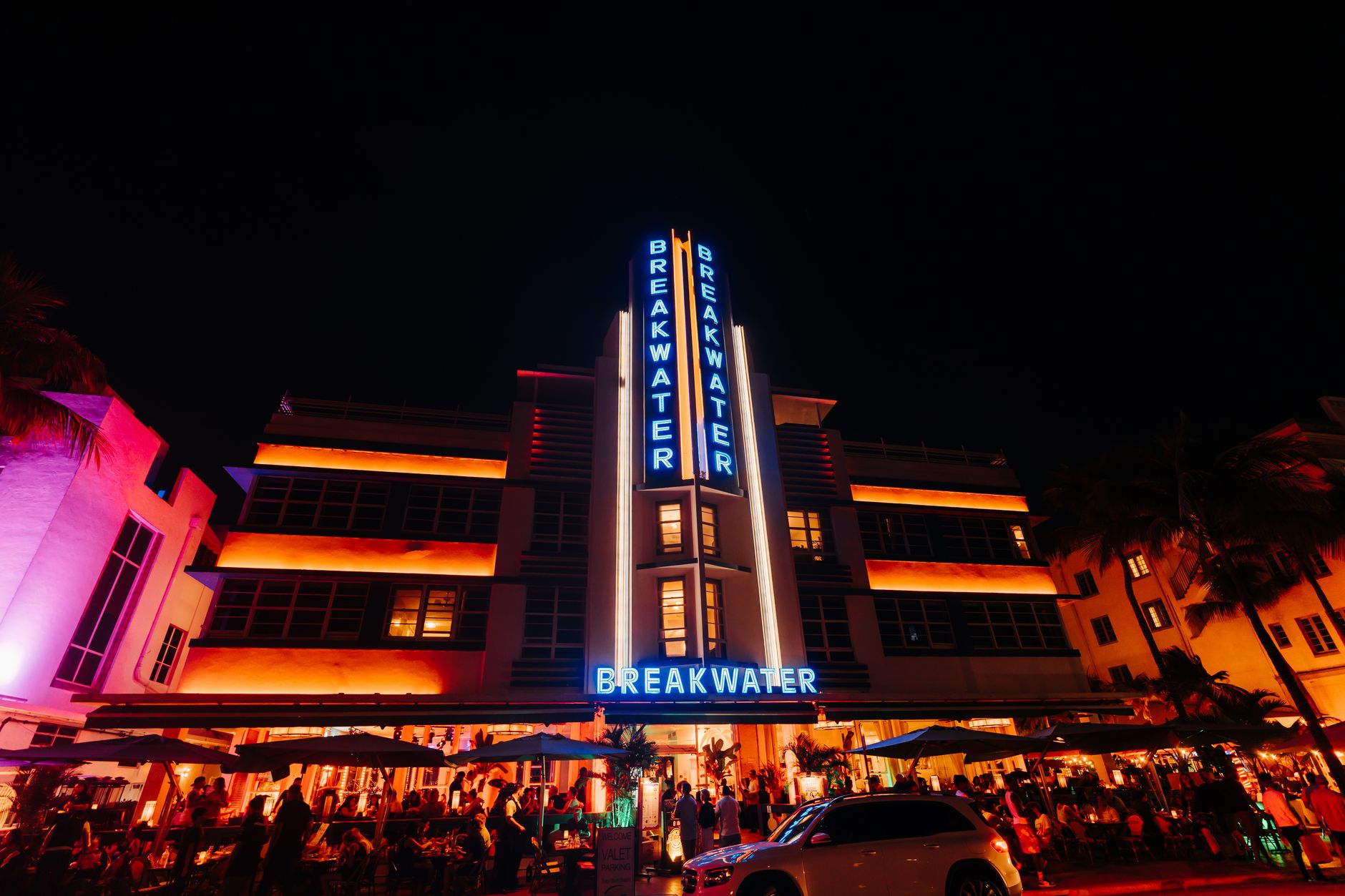
First-Time Buyers & Sellers: Your Glamorous Guide to Making Moves in Miami in 2026 — Buyer Edition
1. Get Pre-Approved Before You Even Start Scrolling
We know — browsing Zillow listings from your lounge chair at The Standard is basically a Miami pastime. But in a market this competitive, sellers and their agents want to see a pre-approval letter, not just pre-qualification. With mortgage rates hovering in the mid-to-high 6% range in 2026, getting pre-approved locks in your budget and shows sellers you mean business. Talk to at least two or three lenders — local mortgage brokers who understand the Miami market often offer more creative solutions than the big national banks.
2. Know Your Neighborhoods (They’re Not All Created Equal)
Miami is a city of micro-markets, and the vibe — and value — can shift dramatically block by block. Here’s a quick cheat sheet for first-time buyers in 2026:
- Brickell: The Wall Street of the South. Expect sleek high-rises, walkable restaurants, and condos starting around $450,000 for a one-bedroom. Perfect for young professionals who want to live where they play.
- Edgewater: Brickell’s cooler, slightly more affordable neighbor. Waterfront condos with Biscayne Bay views are still attainable here, and the neighborhood’s restaurant scene — think Amara at Paraiso — keeps getting better.
- Wynwood: The arts district has matured into a legitimate residential neighborhood. New boutique condo developments are attracting buyers who want culture on their doorstep.
- Coconut Grove: Lush, bohemian, and walkable. If you want tree-lined streets, weekend farmers’ markets, and a more laid-back pace, the Grove delivers — though prices for single-family homes can push well past $1 million.
- Surfside & Bay Harbor Islands: These quiet beachside enclaves north of Miami Beach offer a village feel with ocean proximity. Great for buyers who want beach access without South Beach intensity.
- Little Havana: One of the most undervalued neighborhoods in the city. Cultural richness, incredible food on every corner, and entry-level prices that are increasingly hard to find elsewhere in Miami.
3. Budget for More Than the Sticker Price
First-time buyers in Miami often underestimate the true cost of ownership. Beyond your mortgage, factor in property taxes (Miami-Dade’s effective rate sits around 1.02%), homeowner’s insurance (which has risen sharply in South Florida — expect $3,000 to $8,000+ annually depending on property type and flood zone), and HOA fees for condos, which in Brickell and Miami Beach towers can run $500 to $1,500 per month. For county-specific tax and fee information, visit Miami-Dade County’s official website. None of this should scare you off — it just means you go in with your eyes wide open.
4. Explore First-Time Buyer Programs
Don’t sleep on assistance programs. The Florida Housing Finance Corporation offers down payment and closing cost assistance for first-time buyers, and Miami-Dade County periodically rolls out local programs as well. FHA loans remain popular for buyers with smaller down payments, though condo buyers should confirm their building is FHA-approved — not all Miami towers are.

First-Time Buyers & Sellers: Your Glamorous Guide to Making Moves in Miami in 2026 — Seller Edition
1. Price It Right from Day One
The biggest mistake first-time sellers make? Overpricing. Yes, your Key Biscayne townhouse is gorgeous. Yes, that Coral Gables kitchen renovation cost you a fortune. But the market sets the price, not your renovation receipts. In 2026, well-priced Miami properties are receiving multiple offers within the first two weeks. Overpriced listings? They sit — and stale listings are the kiss of death in a market that moves this fast. Work with an agent who brings hyperlocal comp data and isn’t afraid to have an honest pricing conversation.
2. Stage Like You’re Hosting an Art Basel After-Party
This is Miami. Presentation is everything. Professional staging can increase your sale price by 5-10%, and in a city where buyers scroll through listings on their phones between sets at Club Space, your photos need to stop thumbs. Invest in professional photography, drone shots (especially if you have water views or a rooftop), and consider twilight shoots that capture that golden-hour magic Miami is famous for. Declutter ruthlessly — think gallery, not storage unit.
3. Time Your Listing Strategically
Miami’s real estate market doesn’t follow the same seasonal patterns as the rest of the country. Our “hot season” for buyers — particularly international and out-of-state relocators — runs from November through April, when snowbirds and remote workers flood the city. Listing during this window gives you maximum exposure. As the Miami Herald has reported, 2026’s strong domestic migration trends from New York, California, and Illinois mean Miami sees year-round demand.
4. Understand Your Closing Costs
First-time sellers are sometimes surprised by the expenses that come out of their proceeds. In Miami-Dade County, sellers typically pay for the owner’s title insurance policy (a local custom, not a state law), documentary stamps on the deed (roughly $0.70 per $100 of sale price), and of course, agent commissions. A clear understanding of your net proceeds — before you list — prevents unpleasant surprises at the closing table.

The One Tip That Trumps Them All
This First-Time Buyers & Sellers: Your Glamorous Guide to Making Moves in Miami in 2026 comes down to one non-negotiable truth: whether you’re buying your first Brickell pied-à-terre or selling your Miami Beach starter home to upgrade to something on the water, the single most important decision you’ll make is who represents you. Miami’s market moves fast, the players are sophisticated, and the stakes are high. You need someone who lives and breathes this city — someone who knows the difference between a deal and a steal, and has the relationships to make it happen for you.