

So you’re ready. If you’re a Miami first-time homebuyer — or a first-time seller — 2026 is a year of serious opportunity in the Magic City. Maybe you’ve been renting that sleek one-bedroom in Brickell with the skyline views and the Equinox membership, or maybe you’ve been building equity in a Coral Gables bungalow and it’s time to cash in and level up. Either way, this market doesn’t play nice with the unprepared. Let’s make sure you walk in like you own the place — literally.
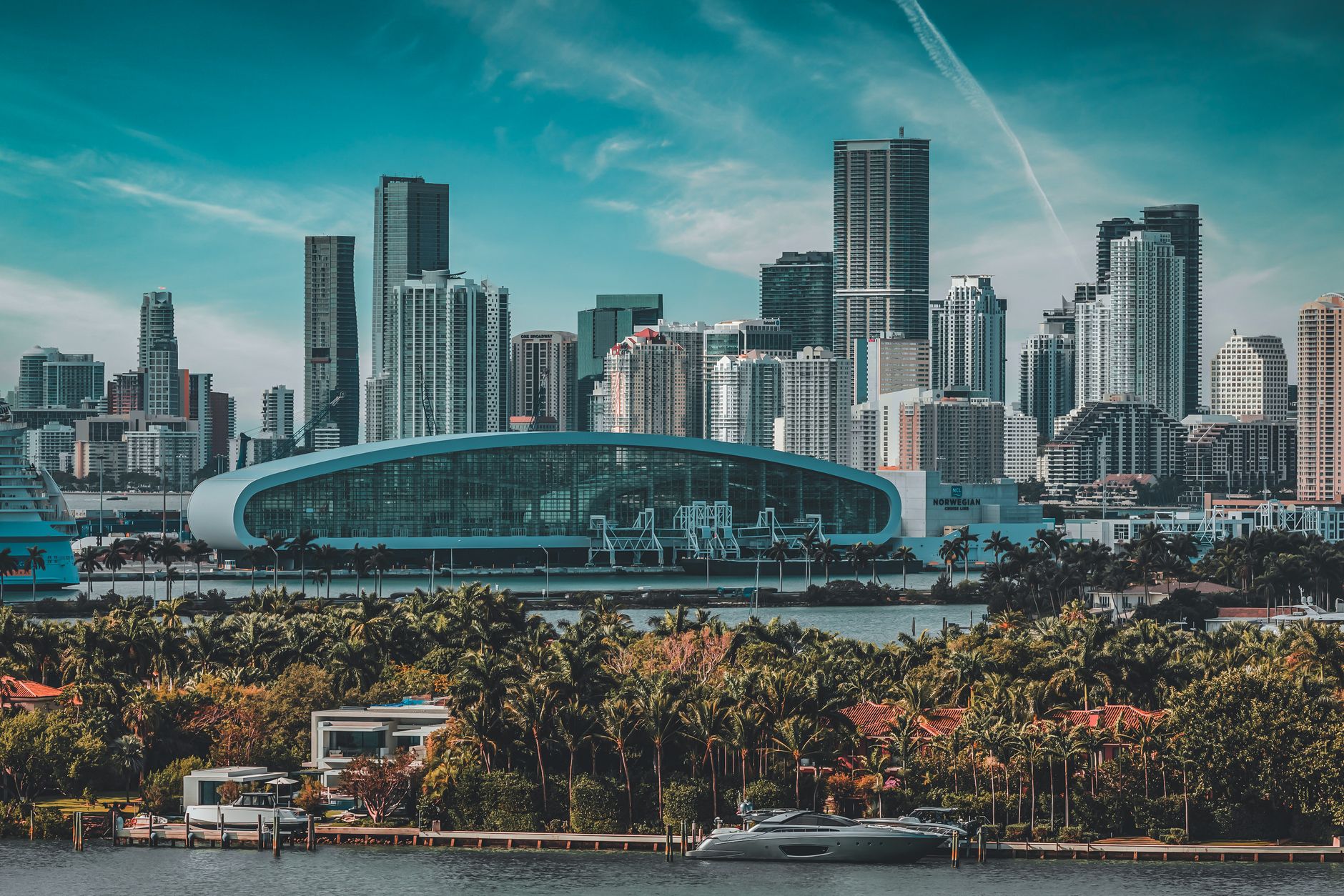
For the Miami First-Time Homebuyer: Your Miami Playbook
Know Your Numbers Before You Fall in Love
Miami is intoxicating — we get it. You’ll walk into a waterfront condo in Edgewater with floor-to-ceiling glass and a bay view that makes your heart skip a beat. But before you start mentally arranging furniture, get your finances locked down. In 2026, according to Zillow’s Miami home value data, the median home price in Miami-Dade County is hovering around the mid-$600,000s, with condos in neighborhoods like Brickell and Miami Beach often ranging from the high $400,000s well into the millions depending on the building and the view. Meanwhile, charming single-family homes in Coconut Grove and Coral Gables can start in the $800,000s and climb from there — fast.
Get pre-approved for a mortgage before you even start browsing listings. Talk to a lender who understands South Florida’s unique insurance landscape (more on that in a second). Knowing exactly what you can afford will save you from heartbreak — and give you serious leverage when it’s time to make an offer.
The Insurance Factor — Don’t Ignore It
Here’s a reality check that catches a lot of first-timers off guard: Florida’s property insurance market in 2026 remains one of the most complex in the country. Premiums have stabilized somewhat compared to the chaos of recent years, but homeowners insurance — especially for waterfront properties in Miami Beach, Key Biscayne, and Surfside — can add significant cost to your monthly payment. Flood insurance is often a separate policy. For any Miami first-time homebuyer navigating these waters, it’s worth reviewing Miami-Dade County’s official resources for guidance on local regulations and assistance programs. Factor these costs into your budget from day one, not as an afterthought at closing.
Pick Your Neighborhood Like You Pick Your Friends
Miami isn’t one city — it’s a constellation of vibes. Choosing where to buy is as much a lifestyle decision as a financial one. Here’s a quick cheat sheet for 2026:
- Brickell: The Wall Street of the South. High-rise living, walkable to restaurants like Zuma and Komodo, perfect for young professionals who want energy at their doorstep.
- Wynwood: Creative, electric, and increasingly residential. New condo developments have brought a wave of boutique living to the arts district — ideal if you want culture on every corner.
- Coral Gables: Old-world elegance meets tree-lined streets. Think Mediterranean-revival homes, top-rated schools, and a dining scene anchored by spots along Miracle Mile and Giralda Plaza.
- Coconut Grove: Lush, bohemian, and family-friendly. The Grove has a village feel that’s unlike anywhere else in Miami, with CocoWalk serving as the social heartbeat.
- Edgewater & Bay Harbor Islands: Incredible bay views at a (relatively) more accessible price point than South Beach, with a quieter, more residential pace.
- Little Havana: One of Miami’s most authentic neighborhoods is also one of its smartest investments. Cultural richness meets rising property values.

New Construction vs. Resale — The Miami Dilemma
Miami’s skyline is perpetually under construction, and 2026 is no exception. Shiny new towers are delivering across Brickell, Edgewater, and the Design District with stunning amenities — rooftop pools, private dining rooms, wellness spas. But new construction often comes with developer premiums and HOA fees that can run $800 to $2,000+ per month. Resale condos and single-family homes can offer better value per square foot, especially if you’re willing to do light cosmetic updates. For a Miami first-time homebuyer weighing these options, working with an agent who knows both sides of this equation intimately is essential — and reviewing current trends from the Miami Realtors Association can help you benchmark what’s fair in today’s market.
For the First-Time Seller: Maximizing Your Miami Moment
Pricing Is Everything — Get It Right from Day One
The biggest mistake first-time sellers make? Overpricing. Yes, your Coconut Grove townhouse is gorgeous. Yes, the kitchen renovation you did in 2024 was worth every penny. But the market sets the price, not your emotions. In 2026, Miami’s market is competitive but savvy — buyers have access to more data than ever, and overpriced listings sit. A strategic listing price, informed by hyper-local comps and current absorption rates, will generate more showings, more offers, and often a higher final sale price than aiming too high and chasing the market down.
Stage It Like You’re Hosting a Miami Soirée
First impressions in Miami real estate are everything. Think about the most glamorous house party you’ve ever attended — that’s the energy your home should radiate during showings. Declutter ruthlessly. Bring in neutral, modern staging that lets the architecture and the views do the talking. If you’re selling a condo in a building like the Paraiso complex in Edgewater or one of the iconic towers along Collins Avenue in Miami Beach, make sure your unit feels like a boutique hotel suite, not a lived-in apartment. Professional photography and cinematic video tours are non-negotiable in 2026 — most buyers see your home on their phone before they ever walk through the door.
Timing and Strategy Still Matter
While Miami’s market doesn’t experience the same dramatic seasonal swings as northern cities, there are sweet spots. The winter months — November through April — tend to bring an influx of out-of-state and international buyers fleeing the cold, which can drive competition for your listing. As the Miami Herald has reported, continued domestic migration from high-tax states like New York, New Jersey, and California is fueling sustained demand heading into Spring 2026. If you can time your listing to capture that wave, you’re playing the game right.

The One Tip That Applies to Everyone
Work with Someone Who Actually Lives This Market
Miami real estate moves fast, and it moves differently than anywhere else. Whether you’re a Miami first-time homebuyer or a seasoned seller ready for your next chapter, between the international buyer pool, the condo association rules, the insurance complexities, and the neighborhood-by-neighborhood micro-markets — you need someone in your corner who is